Sweety Quote Craft Design: A Designer’s Practical Review
As an embroidery designer who has spent years digitizing patterns and troubleshooting stitch-outs for small business owners, I approach every new machine embroidery design with a mix of curiosity and caution. We have all been there: you download a cute graphic, load it onto your machine, and pray it doesn’t turn into a bird’s nest of thread. Today, I am taking a close look at Sweety Quote Craft Design. This isn’t just about whether the image looks pretty on a screen; it is about how it performs as a functional embroidery file in real-world projects.
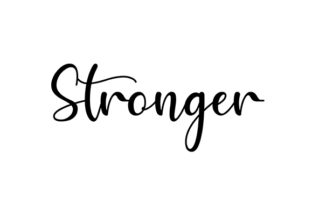
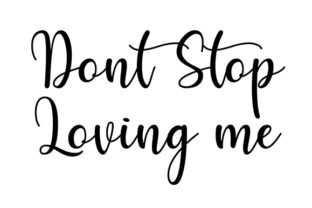
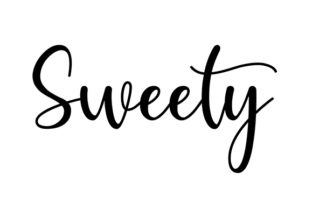
My first impression of Sweety Quote Craft Design is that it leans heavily into charm and approachability. The layout suggests a whimsical, hand-lettered aesthetic that fits perfectly within the current trend of cozy, personalized home goods and apparel. For those of us in the crafts and Graphics space, finding a balance between legibility and decorative flair is often the hardest part of quote-based designs. From what I can observe, this design seems to prioritize flow, which is crucial when translating digital lines into physical thread.
The Real-World Test: A Custom Tote Bag Scenario
To truly evaluate this design, I imagined a specific client request that many Etsy sellers and small shop product creators face regularly. Let’s say a customer wants a personalized tote bag for a teacher appreciation gift. They want something that feels handmade but professional, not cluttered or cheap. This is where Sweety Quote Craft Design enters the picture.
In this scenario, I would be stitching onto a medium-weight canvas tote. Canvas is forgiving, but it requires proper stabilization. If I were using this design, my primary concern would be the density of the lettering. Quote designs often suffer from "stacking," where too many satin stitch elements crowd each other, causing the fabric to pucker. Looking at the visual weight of Sweety Quote Craft Design, it appears to have enough breathing room between characters. This spacing is vital for maintaining the integrity of the finished product. If the design were too dense, the tote bag would warp after washing, ruining the handmade product’s appeal.
Versatility Across Apparel and Home Decor
Beyond tote bags, I see strong potential for this design in custom apparel. Imagine it centered on the chest of a crewneck sweatshirt. Sweatshirt embroidery requires a different approach than stitching on woven cotton. You are dealing with stretch and pile. If Sweety Quote Craft Design utilizes a mix of fill stitch for larger areas and running stitch for finer details, it could sit beautifully on fleece without sinking in. However, if the design relies entirely on heavy satin columns, it might pull the fabric uncomfortably.
For baby embroidery projects, such as onesies or burp cloths, softness is non-negotiable. Parents do not want scratchy thread against sensitive skin. If this design includes large solid blocks, I would recommend checking if an applique design version is available or if the digitizer has used a light-density fill. Using Sweety Quote Craft Design on a baby item could create a lovely personalized gift, provided you use high-quality, soft rayon or polyester threads and a cut-away stabilizer to support the knit fabric.
I also envision this working well for holiday embroidery projects. Think of kitchen towels or pillow covers during the festive season. The whimsical nature of the quote fits the lighthearted mood of holiday decor. When used as a tote bag design or on aprons, it adds a layer of personality that mass-produced items lack. This is exactly what craft business owners need to differentiate their brand consistency and attract buyers looking for unique design assets.
Technical Considerations and Potential Pitfalls
While the aesthetic is appealing, we must discuss where Sweety Quote Craft Design might fail if not handled correctly. One major risk area is small hoop sizes. If you attempt to shrink this design to fit a 4x4 inch hoop for an embroidered patch or a cap, you risk losing detail. Tiny serifs or thin connecting lines in quote designs can break or become indistinguishable when scaled down. Always check the minimum recommended size before committing to a small project.
Another critical factor is fabric texture. On textured fabrics like terry cloth or heavy linen, fine details can get lost. If you are stitching on dark fabric, ensure you have high-contrast thread colors. A low-contrast combination will make the quote hard to read, defeating the purpose of the design. Additionally, curved surfaces like caps present a challenge. The distortion inherent in cap embroidery can warp text. If you plan to use Sweety Quote Craft Design on hats, you must test it extensively and potentially adjust the pull compensation in your digitizing software if you have the editable file.
Washability is another concern for commercial embroidery items. If this design is intended for items that will be washed frequently, such as tea towels or children’s clothes, the stitch density must be balanced. Too loose, and the threads snag; too tight, and the fabric tears. Always follow best practices for care instructions when selling these items to maintain customer trust.
Practical Notes for the Embroidery Professional
Before you launch into production, here are my practical recommendations for working with Sweety Quote Craft Design:
- Test on Scrap Fabric: Never stitch directly on your final garment. Use the same type of fabric and stabilizer to check for puckering or thread breaks.
- Check Thread Contrast: Visualize the design in black and white. If the details disappear in monochrome, they will likely get lost on busy fabric patterns.
- Review Stitch Density: If possible, inspect the stitch count. High-density designs require more time and thread, impacting your pricing strategy for Etsy listings.
- Confirm Hoop Size: Ensure your machine’s hoop can accommodate the design dimensions without re-hooping, which can cause alignment issues.
- Inspect Small Details: Zoom in on the digital preview. Are there tiny jumps or unnecessary trims? These can slow down production.
- Use Proper Stabilizer: Match your stabilizer to your fabric. Cut-away for knits, tear-away for stable wovens.
- Verify Licensing: Since you receive this as an SVG, PNG, and EPS, clarify if these are for cutting machines or if an actual embroidery file format (like PES or DST) is included. Confirm if the license allows for commercial embroidery sales.
It is important to note that the product description states you will receive an SVG File, Transparent PNG, and EPS. These are primarily vector and image formats used for cutting machines, printing, or graphic design. If you are a machine embroiderer, you will need to ensure these files are compatible with your workflow. You may need to convert the SVG into an embroidery format using digitizing software, or confirm if the seller provides native embroidery files separately. Always clarify this before purchasing to avoid frustration.
Final Verdict on Visual Appeal and Value
Ultimately, Sweety Quote Craft Design offers a strong foundation for creators who value charm and versatility. Its potential lies in its ability to elevate simple items into cherished keepsakes. Whether you are creating a printable mockup for your online store or stitching a real embroidery project for a local craft fair, this design can enhance your product value.
For digital product sellers, having a clean, well-spaced quote design allows for creative marketing materials. For apparel decorators, it offers a quick yet impactful addition to blank garments. The key to success with this design is respecting the technical limits of your machine and fabric. By paying attention to stitch density, hoop size, and material choice, you can ensure that the final result reflects the professionalism your brand stands for.
In the competitive world of handmade goods, details matter. Sweety Quote Craft Design has the personality to stand out, but it is your technical execution that will determine its success. Treat it with the care it deserves, test thoroughly, and you will likely find it becomes a reliable staple in your library of design assets.