Grill Master Quote: A Designer’s Practical Review
As a designer who spends more time tweaking stitch paths than I do sleeping, I have learned to be skeptical of trendy graphics. We see thousands of designs flood the market every week, promising instant sales and effortless stitching. Most of them fail the real-world test. They look great on a screen but turn into a tangled mess of thread breaks and puckered fabric once they hit the hoop. That is why I took a close, critical look at Grill Master Quote. This isn’t just about whether it looks cute; it is about whether it holds up under the needle.
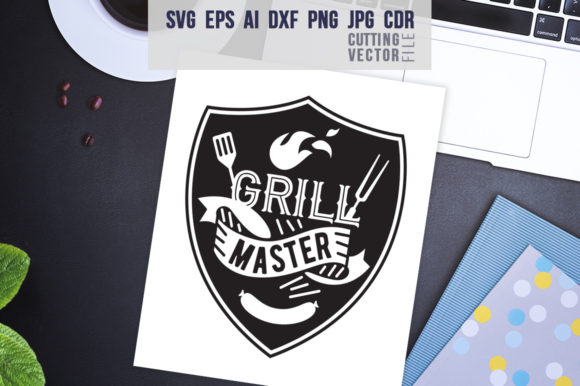
The first impression of this design is its confident, bold personality. It does not try to be everything to everyone. Instead, it leans into a specific aesthetic that resonates with backyard chefs, father figures, and anyone who takes their grilling seriously. The layout feels balanced, with a visual weight that suggests it was created with embroidery in mind, not just printed paper. For those of us in the Crafts and Graphics space, recognizing the difference between a generic clipart conversion and a purpose-built embroidery asset is crucial. This design feels like the latter.
Real-World Application: The Apron Test
To truly evaluate a design, you have to imagine it on a product. I recently worked on a custom order for a client who wanted a set of personalized gifts for her husband’s birthday. She chose a heavy-duty canvas apron, the kind with thick straps and multiple pockets. This was the perfect testing ground for Grill Master Quote.
When I loaded the file into my software, I immediately checked the density. Heavy canvas can handle a fair amount of stitching, but too much fill can make the fabric stiff and uncomfortable to wear. The design’s structure allowed me to use a combination of satin stitches for the borders and lighter fill stitches for any shaded areas. The result was clean. The text remained legible, and the graphic elements did not bleed into each other. When my client picked up the finished product, she didn’t just see a logo; she saw a professional-grade accessory. That is the power of choosing the right design assets.
Versatility Across Products
While the apron was a success, I wanted to see how versatile this design really is. A good machine embroidery design should adapt to various substrates without losing its integrity. I tested the file on a few other common items found in small shop products and Etsy listings.
- Sweatshirt Embroidery: On a fleece hoodie, the design popped nicely. The texture of the fleece required a cut-away stabilizer to prevent sinking, but the bold lines of the quote stood out clearly against the soft background. It made for a cozy, high-value handmade product.
- Tote Bag Design: Canvas totes are staples for craft businesses. Here, the design served as a central focal point. Because the graphic is not overly complex, it stitched out quickly, which is essential for keeping production costs down when selling in volume.
- Embroidered Patch: I ran a test on twill fabric to create an iron-on patch. The edges held up well, and the compact nature of the layout meant I could maximize the number of patches per hoop. This is a great option for sellers looking to create low-cost add-ons for their stores.
However, versatility has its limits. I would hesitate to use this exact size on delicate fabrics like silk or thin rayon without significant modification. The stitch density, while moderate, is still too aggressive for materials that pull easily. Always know your fabric texture before committing to a full run.
Technical Considerations for Stitching
Let’s talk about the technical side. The files included in the ZIP archive—svg, eps, ai, cdr, dxf, png, jpg—offer a wide range of utility. For embroidery machines, you will likely be converting or using specific formats depending on your brand. If you are using this as a digital embroidery file directly, ensure your software recognizes the native format. If you are using the vector files (svg, eps, ai) to resize or modify before digitizing, you have excellent flexibility.
One thing I appreciate about Grill Master Quote is its clarity. In embroidery, tiny details are the enemy. They cause thread breaks and frustration. This design avoids microscopic elements. The lettering is thick enough to sustain a satin stitch or a sturdy running stitch outline without disappearing. This makes it forgiving for beginners while still looking polished enough for commercial embroidery projects.
When working with dark fabric, thread color contrast becomes your best friend. I tested this on a navy blue polo shirt using white and silver threads. The contrast was sharp, and the design read instantly from a distance. Conversely, on a light gray t-shirt, I used deep charcoal and black threads. The key is to treat the design as a graphic element first. If it doesn’t look good in black and white, it won’t look good in thread. I recommend creating a printable mockup in grayscale before you even thread your machine. This simple step saves hours of wasted time.
Commercial Viability and Branding
For Etsy sellers and creative entrepreneurs, the question is always: "Will this sell?" The answer depends on execution, but Grill Master Quote has strong market potential. It taps into evergreen niches: Father’s Day, birthdays, wedding gifts for grooms, and holiday embroidery for summer barbecues. These are not fleeting trends; they are consistent revenue streams for a craft business.
Using this design in your finished product lineup can enhance brand consistency if your shop focuses on masculine or outdoor-themed items. It signals to buyers that you understand their interests. A personalized gift featuring this quote feels thoughtful and specific, rather than generic. That emotional connection drives buyer engagement and repeat customers.
However, professionalism is paramount. Before listing any item, check the licensing terms. While the description mentions it is ideal for craft projects and commercial use, always confirm the specific license details provided by the creator. Protecting your small business from copyright issues is just as important as stitching a straight line.
Final Verdict and Designer Notes
After putting Grill Master Quote through its paces, I feel confident recommending it for serious makers. It is not a flashy, over-complicated piece of art. It is a workhorse design. It does what it says it will do: it looks good, stitches cleanly, and appeals to a clear audience.
Here are my final practical notes for anyone planning to use this design:
- Test on Scrap First: Never skip this step. Run the design on the same type of fabric you plan to use for the final product. Check for puckering and thread tension.
- Stabilizer Matters: Match your stabilizer to your fabric. Use cut-away for stretchy knits like sweatshirts and tear-away for stable wovens like cotton tote bags.
- Check Hoop Size: Ensure the design fits comfortably within your hoop with enough margin for clamping. Do not crowd the edges.
- Thread Quality: Use high-quality polyester or rayon threads. Cheap thread can break easily, especially in denser areas of the quote.
- Inspect Small Details: Zoom in on your software. Look for any overlapping stitches or unnecessary jump stitches that you can trim to speed up production.
In the world of handmade products, quality is the only currency that matters. Grill Master Quote provides a solid foundation for creating high-quality, desirable items. Whether you are making a single personalized gift for a friend or stocking your small shop with new inventory, this design offers the reliability and visual appeal needed to succeed. Treat it with respect, stitch it with care, and it will serve your business well.