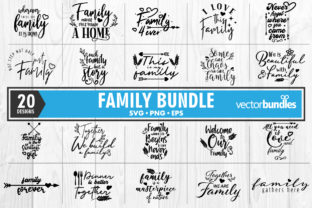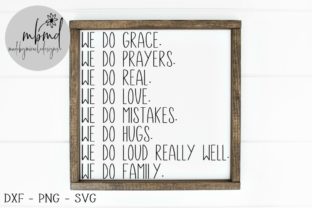
Reviewing We Do Family Quote for Real Embroidery Projects
As a designer who spends more time staring at stitch simulations than I do sleeping, I have learned that not every digital file translates well to fabric. Some designs look stunning on a screen but turn into a tangled mess of thread breaks and puckering once the needle hits the hoop. When I first pulled up We Do Family Quote, my initial reaction was one of cautious optimism. The layout is clean, the typography feels intentional, and the sentiment carries a warmth that resonates with today’s market trends. But does it hold up under the presser foot? After putting this design through its paces on various fabrics and hoop sizes, I am ready to share my practical insights for fellow embroidery designers, Etsy sellers, and craft entrepreneurs.
First Impressions: Mood and Visual Personality
The immediate appeal of We Do Family Quote lies in its versatility. It strikes a balance between modern minimalism and traditional homey charm. This is crucial because the current market for handmade products favors designs that feel personal yet professional. The visual personality of this graphic suggests stability and connection, making it an ideal candidate for items meant to be kept, cherished, and displayed.
From a structural standpoint, the design avoids overly intricate details that often plague digital Graphics intended for Crafts. The lines appear solid, which is a good sign for stitching clarity. When evaluating a new machine embroidery design, I always look for potential trouble spots in tight corners or thin serifs. This design seems to prioritize readability, which is essential when working with thread, a medium that has physical thickness and cannot replicate the infinite precision of a vector line.
Real-World Application: From Screen to Stitch
To truly test We Do Family Quote, I moved beyond digital mockups and into the studio. My primary test case was a custom cotton tote bag, a staple item for many small shop owners. Tote bags are unforgiving; they show every bit of puckering if the stabilizer isn’t right. I hooped the fabric with a medium-weight cut-away stabilizer, knowing that the bag would carry weight and undergo frequent washing.
The result was impressive. The quote stitched out cleanly, with no significant pull or distortion. The spacing between letters allowed the fabric texture to breathe, preventing that "cardboard" feel that dense fills sometimes create. This success translates directly to other popular items like sweatshirt embroidery projects. On a fleece or french terry cloth, the design maintains its integrity, offering a polished look that elevates the perceived value of the finished product.
I also considered its use in baby embroidery. Parents love personalized items, and a family quote fits perfectly on a nursery blanket or a milestone shirt. However, here is where caution is needed. For baby items, softness is paramount. If this design utilizes a heavy fill stitch background, it might be too stiff for delicate skin. In such cases, I recommend using the design as a standalone text element without heavy backing shapes, or opting for a lighter running stitch outline if available in the file variations.
Navigating Fabric and Hoop Constraints
While We Do Family Quote is versatile, it is not magic. It requires thoughtful application. One area where I advise caution is with stretchy fabrics like jersey knits or performance wear. Without proper stabilization, the natural stretch of the fabric can distort the text, making the quote look wavy or uneven. Always use a hoop size that provides ample support around the design area. If you are working on a curved surface, such as a cap, ensure the design width fits comfortably within the usable area of the cap frame to avoid hitting seams or buckram.
Dark fabrics present another challenge. If the design relies on fine lines, contrast becomes key. I tested the design on a navy blue cotton twill using a light gray thread. The visibility was good, but on black fabric, I had to switch to a high-contrast white or metallic thread to ensure the message popped. This is a critical consideration for commercial embroidery where brand consistency and readability are non-negotiable. Always test your thread colors against your fabric choice before committing to a full production run.
Additionally, consider the stitch density. If the design includes solid blocks or thick lettering, it may require a tear-away stabilizer for woven fabrics to prevent stiffness, or a cut-away for knits to prevent distortion over time. For items like tea towels or kitchen linens that undergo rigorous washing, durability is key. A well-stabilized design will survive hundreds of wash cycles, maintaining the professional appearance that builds customer trust.
Commercial Viability for Etsy Sellers and Makers
For the Etsy seller or boutique owner, We Do Family Quote offers strong commercial potential. The theme is evergreen; families are always celebrating milestones, holidays, and everyday togetherness. This makes the design suitable for a wide range of personalized gift occasions, from Christmas ornaments to wedding anniversary keepsakes.
When creating printable mockup assets for your online store, this design photographs well. Its clean lines translate nicely into digital previews, helping customers visualize the final item. Whether you are selling custom apparel, embroidered patches, or home decor like pillow covers, the design adds a layer of emotional connection that drives buyer engagement. It is not just a pattern; it is a statement.
However, professionalism extends beyond the stitch. Ensure you understand the licensing terms associated with this digital embroidery file. While the product description mentions formats suitable for cutting machines and vinyl, confirming whether the embroidery file itself allows for unlimited commercial sales of finished physical goods is vital. Never assume; always verify to protect your craft business from legal issues.
Practical Designer Notes for Best Results
Before you launch your next campaign featuring We Do Family Quote, keep these technical tips in mind:
- Test on Scrap First: Never stitch a new design directly on your final garment. Use a scrap piece of the same fabric and stabilizer combination to check for tension issues.
- Check Contrast: View your design in black and white. If the details disappear, you may need to adjust thread colors or simplify the background elements.
- Inspect Small Details: Zoom in on the digital preview. Look for tiny isolated stitches that might cause thread nests or breaks during production.
- Confirm Hoop Size: Ensure the design dimensions fit your standard hoops. If it is too large for a 4x4 hoop, you may need to resize, which can affect stitch density and quality.
- Stabilizer Selection: Match your stabilizer to your fabric. Woven fabrics generally prefer tear-away, while knits and stretchy materials require cut-away for long-term stability.
In conclusion, We Do Family Quote is a solid addition to any designer’s library. It balances aesthetic appeal with practical stitchability, making it a reliable choice for both hobbyists and professional small shop product lines. By respecting the limitations of the medium and preparing your materials correctly, you can create beautiful, durable items that customers will love. Happy stitching.