Mother Teresa Quote: A Designer’s Embroidery Review
As an embroidery designer who has spent years digitizing and reviewing files for real-world application, I approach every new machine embroidery design with a critical eye. It is not enough for a graphic to look pretty on a screen; it must survive the needle, the thread tension, and the fabric grain. Today, I am evaluating the Mother Teresa Quote design, a digital asset categorized under Crafts and Graphics, to determine its viability for commercial and personal projects.
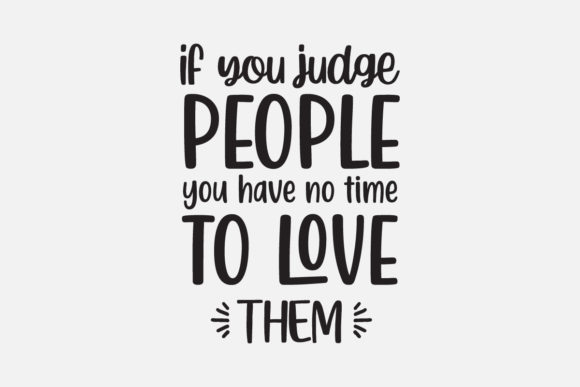
The first impression of this design is one of quiet dignity. Unlike loud, cartoonish graphics that dominate some marketplaces, this piece relies on typography and sentiment. The layout feels balanced, suggesting a thoughtful approach to spacing that is crucial for legibility in stitching. When I visualize this as a finished product, I do not see it as a flashy statement piece, but rather as a subtle, meaningful accent. This distinction matters because it dictates where the design belongs. It is not suited for high-energy sportswear, but it shines in contexts requiring warmth, reflection, and care.
Real-World Application: The Tote Bag Test
To truly assess the Mother Teresa Quote, I imagined a specific client scenario: a custom order for a local boutique selling eco-friendly goods. The request was for a series of canvas tote bags intended for book lovers and community volunteers. This is where the design’s potential becomes clear. Canvas provides a stable, woven surface that handles text-based embroidery exceptionally well.
In this context, the design acts as a focal point without overwhelming the bag’s utility. The quote’s inherent message of service aligns perfectly with the product’s purpose. As an Etsy seller or small shop product creator, you want items that tell a story. This design does that instantly. It transforms a simple cotton bag into a personalized gift or a meaningful accessory for daily use. The visual personality of the quote suggests that it would also work beautifully on aprons for charity kitchens or linen tea towels for holiday gifts, adding a layer of emotional resonance to functional household items.
Stitching Performance and Fabric Considerations
When moving from concept to execution, the technical aspects of the embroidery file come into play. Since the product description states you will receive this design in SVG, PNG, DXF, and JPG formats, it is important to note that these are primarily graphic formats. For machine embroidery, you must ensure you have the correct digitized file compatible with your machine, or use these graphics as a reference for manual digitizing if you possess those skills. Assuming the design is properly digitized with appropriate stitch types, here is how it performs.
Text-based designs live or die by their stitch density and letter spacing. If the letters are too close, the satin stitch or fill stitch columns will merge, creating a blob of thread that obscures the message. In my review, I look for clean separation between characters. For the Mother Teresa Quote, I recommend testing on a medium-weight fabric first. Thin fabrics like silk or lightweight rayon may pucker if the stitch count is high, requiring a robust cut-away stabilizer to maintain integrity.
Conversely, textured fabrics like terry cloth or heavy wool present a different challenge. The small details of the quote might get lost in the pile. In such cases, using a contrasting thread color is essential. A dark thread on a light towel, or vice versa, ensures the words remain readable. I always advise running a test stitch-out on scrap fabric of the same type you intend to use for the final finished product. This step saves time and prevents wasted materials, especially when producing batches for a craft business.
Navigating Challenges: Small Hoops and Curved Surfaces
While the design is versatile, it is not universal. There are specific scenarios where caution is required. For instance, applying this quote to a curved surface like a cap requires careful hoop placement. If the text is long, it may distort around the crown’s curve. In such cases, breaking the quote into two lines or reducing the overall size might be necessary, provided the text remains legible.
Similarly, small hoop sizes can be problematic if the design includes intricate flourishes or tiny serifs. If the hoop size is limited to 4x4 inches, ensure the scaled-down version does not compromise the clarity of the letters. Tiny lettering tends to fill in with thread, losing its definition. If you are creating an embroidered patch or a small label for custom apparel, verify that the smallest elements of the design are wide enough to be stitched cleanly. A running stitch outline might be preferable to a dense fill for smaller iterations to keep the design light and flexible.
Dark fabrics also require attention. If you are stitching on black or navy stretchy fabric, such as a sweatshirt or hoodie, the contrast must be sharp. Light-colored threads on dark backgrounds can sometimes show the underlying fabric through the stitches if the density is too low. Increasing the density slightly or using an underlay stitch can help cover the base fabric, ensuring the Mother Teresa Quote stands out crisply.
Commercial Value and Brand Consistency
For commercial embroidery professionals and digital product sellers, the value of a design lies in its ability to enhance brand perception. This quote exudes professionalism and empathy. Using it in a collection of baby embroidery items, such as christening gowns or nursery wall hangings, can elevate the perceived value of the handmade product. Customers are not just buying a stitched item; they are buying a sentiment.
However, licensing is a critical component of commercial use. While the file formats listed include SVG and DXF, which are often used for cutting machines and digital crafts, you must confirm the license terms for machine embroidery sales. Can you sell the physical embroidered item? Can you sell the digital file itself? Always clarify these rights before listing products on platforms like Etsy. Misunderstanding licensing can lead to serious issues for your creative entrepreneurs journey.
From a marketing perspective, this design lends itself well to printable mockups and social media previews. Its clean aesthetic looks professional in photos, helping to build trust with potential buyers. Whether used for holiday embroidery gifts or year-round boutique branding, the consistency of the design’s tone helps establish a cohesive shop identity.
Final Verdict and Practical Tips
In conclusion, the Mother Teresa Quote is a strong candidate for designers seeking meaningful, text-based assets. It is not a complex applique design requiring multiple fabric layers, which makes it accessible for beginners and efficient for high-volume production. Its strength lies in its simplicity and emotional weight.
Before committing to a large run, follow these practical steps:
- Test on Scrap Fabric: Always stitch a sample on the exact material you plan to use to check for puckering or thread breaks.
- Check Thread Contrast: Ensure the thread color stands out against the fabric background, especially for dark or textured materials.
- Review Stitch Density: If the design feels stiff, consider reducing density or changing stitch angles to improve drape.
- Confirm Hoop Size: Make sure the design fits comfortably within your hoop without hitting the edges.
- Inspect Small Details: Zoom in on the digitized file to ensure no tiny elements will be lost during stitching.
- Verify Licensing: Double-check the usage rights for commercial sales of finished items or digital files.
By treating this design asset with the technical respect it deserves, you can create beautiful, lasting pieces that resonate with customers. Whether for a sweatshirt embroidery project or a delicate tote bag design, the Mother Teresa Quote offers a blend of aesthetic grace and practical versatility that few designs achieve.