Home Quote: A Designer’s Take on Real-World Embroidery Use
As a designer who spends half my life digitizing files and the other half stitching them out, I have learned to look past the glossy preview images. We all know that what looks crisp on a screen does not always translate cleanly to fabric. When I first pulled up Home Quote, my immediate reaction was one of cautious optimism. It is listed under Crafts and Graphics, which tells me it originates as a vector asset, likely intended for cutting machines like Cricut or Silhouette. But the real question for us embroidery professionals is simple: does this design hold up under the needle?
I decided to test this concept mentally against a recent project request I received. A client wanted a set of personalized kitchen towels and a matching tote bag for a housewarming gift. They wanted something minimal, modern, and warm. This is exactly the niche where Home Quote aims to sit. Let’s break down how this design performs when we move from digital file to finished product.
First Impressions: Mood and Visual Personality
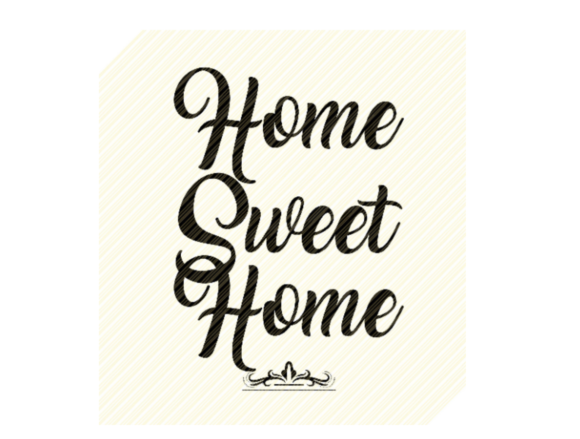
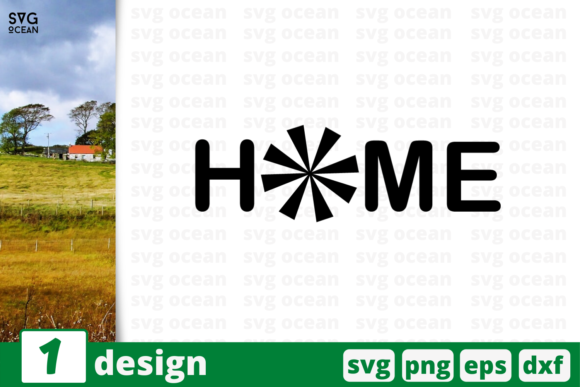
The aesthetic of Home Quote leans heavily into the modern farmhouse and minimalist decor trends that continue to dominate the handmade market. The layout appears clean, relying on typography and simple iconography rather than complex shading or intricate details. For an embroidery designer, this is a double-edged sword. On one hand, simplicity means fewer stitch breaks and faster run times. On the other, it leaves nowhere to hide if the digitizing is poor or if the fabric choice is wrong.
The visual personality here is inviting. It suggests comfort and stability. When I imagine this stitched onto a linen tea towel or a canvas tote, it feels appropriate. It does not scream for attention; instead, it whispers quality. This subtlety is crucial for high-end boutique products. Customers today are tired of loud, overly saturated designs. They want pieces that feel curated. If executed correctly, this design adds value through restraint.
Real-World Application: From Screen to Stitch
Let’s talk about practical application. I often see sellers struggle when they take a generic SVG and try to force it into an embroidery context. Since the product description notes that the download includes SVG, DXF, PNG, and EPS formats, we know this is primarily a graphic asset. To use this for a machine embroidery design, you must ensure it has been properly digitized. If you are using this as a cut file for heat transfer vinyl (HTV) to then press onto apparel, the workflow is different. But assuming we are talking about direct stitching, here is how I see it playing out.
Imagine you are creating a sweatshirt embroidery piece for a local craft fair. The texture of a fleece or French terry cloth is thick. If Home Quote relies on thin, single-line running stitches, it might get lost in the pile of the fabric. In this scenario, I would recommend adjusting the stitch type. Converting thin lines to a narrow satin stitch can help the design pop against textured backgrounds. For a tote bag design, however, the sturdy canvas provides a perfect foundation. The flat surface allows for crisp edges, making the quote legible and sharp.
For baby embroidery projects, such as a nursery wall hanging or a soft blanket, the softness of the design is a major plus. Parents love items that feel gentle and personal. However, you must be mindful of stitch density. Babies have sensitive skin, so the back of the embroidery should be clean. Using a proper cutaway or tear-away stabilizer is non-negotiable here to prevent puckering, especially if the fabric is a lightweight knit.
Navigating Technical Challenges
While the design is appealing, there are areas where caution is required. Any text-based or quote-based design faces the challenge of legibility at smaller sizes. If you are attempting to stitch this on a embroidered patch or a small corner of a cap, you need to check the minimum stitch length. Tiny serifs or intricate curves can become a tangled mess if the digitizer did not account for machine limitations.
Another critical factor is fabric contrast. If you are stitching white thread on a light beige linen, the design might vanish. Always test your thread colors against your fabric. I recommend creating a black-and-white mockup first. If the design loses its definition in grayscale, it will likely lack impact in real life. For dark fabrics, consider using a lighter thread color or adding a subtle underlay to boost the height of the stitches.
Curved surfaces present another hurdle. Stitching on a baseball cap requires specific digitizing techniques to compensate for the curve. If Home Quote is a straight horizontal layout, it may distort when applied to a curved panel. In such cases, I advise arcing the text slightly in your digitizing software before loading the embroidery file into your machine.
Commercial Viability and Brand Consistency
For Etsy sellers and small shop owners, consistency is key. You want your products to look like they belong to the same brand. Home Quote fits well into a cohesive collection of home goods. It pairs nicely with other minimalist designs, allowing you to create bundles. For example, offering a set that includes a pillow cover, a towel, and an apron all featuring variations of this theme can increase your average order value.
However, licensing is a topic we cannot ignore. The product description mentions compatibility with Cricut Design Space and Silhouette, which implies it is sold as a graphic asset. Before using this for commercial embroidery or selling finished items, you must confirm the license terms. Does the creator allow commercial use of the digitized version? Are you required to purchase an extended license? Never assume. Protect your business by reading the fine print.
Practical Designer Notes for Best Results
To get the most out of this design, follow these practical steps:
- Test on Scrap Fabric: Never stitch directly on your final garment. Use a scrap piece of the same material to check tension and registration.
- Check Stitch Density: Ensure the design is not too dense for lightweight fabrics, which can cause perforation or stiffness.
- Verify Hoop Size: Confirm that the design dimensions fit within your machine’s hoop capabilities without requiring re-hooping.
- Inspect Small Details: Zoom in on the digitized file. Look for overlapping stitches or unnecessary jumps that could slow down production.
- Contrast is King: Choose thread colors that stand out against your fabric. High contrast improves readability and visual appeal.
- Stabilizer Selection: Match your stabilizer to your fabric. Use cutaway for knits and tear-away for wovens to ensure a professional finish.
In conclusion, Home Quote has the potential to be a staple in your design library, provided it is treated with technical respect. It is not just a graphic; it is a component of a tactile experience. By understanding the interplay between thread, fabric, and digitizing, you can transform this simple asset into a high-value handmade product. Whether you are decorating a holiday embroidery gift or stocking your online store, let practical judgment guide your process. The difference between a good product and a great one often lies in the details you choose to honor.