Eat Sleep Cook Repeat: A Designer’s Embroidery Review
As an embroidery designer who spends more time staring at digitized paths than I do sleeping, I have learned that not every cute phrase translates well into thread. We see thousands of Graphics and cut files floating around the internet, but a design that looks crisp on a screen can become a tangled mess under the needle if the fundamentals aren’t right. Recently, I pulled the Eat Sleep Cook Repeat Quote into my workspace to evaluate its potential for real-world Crafts projects. This isn’t just about whether it’s cute; it’s about whether it holds up as a professional machine embroidery design for client work and small business inventory.
First Impressions and Visual Personality
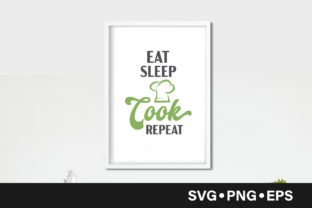
The first thing that strikes you about the Eat Sleep Cook Repeat Quote is its rhythmic simplicity. It taps into a universal sentiment for home chefs and food lovers, creating an immediate emotional connection. Visually, the layout suggests a balanced composition, likely relying on clean typography rather than overly complex illustrative elements. For an embroiderer, this is good news. Complex illustrations often require high stitch density and frequent color changes, which can bulk up the fabric and increase production time. A phrase-based design allows for creative freedom in font selection and spacing, making it versatile for various embroidery project types.
The mood here is cozy, domestic, and slightly humorous. It fits perfectly into the current trend of personalized home goods. However, from a technical standpoint, I immediately looked at the letterforms. Are there tight kerning issues? Will the loops in letters like 'e' or 'o' close up during stitching? These are the questions that separate a hobbyist attempt from a sellable handmade product.
Real-World Application: The Kitchen Towel Test
To truly test the viability of this design, I imagined applying it to a classic waffle-weave kitchen towel. This is a staple item for any Etsy seller or boutique owner. The texture of a towel presents a unique challenge: the loops can swallow thin lines, and the fabric shifts easily. If the Eat Sleep Cook Repeat Quote uses a delicate running stitch for fine details, it might get lost. Ideally, this design should utilize a slightly bolder satin stitch or a light fill stitch for larger letters to ensure legibility against the textured background.
I also considered its application on a canvas tote bag design. Canvas is sturdy and handles higher stitch counts well, making it an ideal candidate for this type of phrase. The contrast between dark thread on natural canvas creates a striking, modern look that appeals to customers looking for durable, stylish accessories. In this context, the design acts as both decoration and branding, elevating a simple bag into a statement piece.
Apparel and Custom Gifts
Moving beyond home decor, let’s talk about custom apparel. Imagine this quote stitched onto the chest of a chef’s apron or the sleeve of a cozy sweatshirt. For sweatshirt embroidery, the fabric is thick and plush. Here, the design needs to be large enough to stand out but not so dense that it creates a stiff, uncomfortable patch on the garment. If you are using this as a personalized gift, consider adding a name below the main phrase. The linear nature of the quote leaves ample room for customization, which increases the perceived value of the finished product.
For baby embroidery projects, such as bibs or onesies, the scale must be reduced significantly. This is where caution is needed. If the original file has intricate serifs or tight spacing, shrinking it for a small hoop could result in thread breaks and poor definition. Always check how the design scales down before committing to a final stitch-out.
Technical Considerations for Stitching Success
Before you load this into your machine, there are critical technical factors to review. The product description mentions receiving SVG, PNG, and EPS files. It is crucial to note that these are primarily vector and image formats used for cutting machines or printing, not necessarily native embroidery file formats like PES or DST. If you are an embroiderer, you will likely need to use digitizing software to convert these graphics into a stitch file, or ensure the seller provides specific embroidery formats if listed elsewhere. Assuming you are working with a digitized version of this quote, pay attention to the following:
- Stabilizer Selection: For stretchy fabrics like t-shirts, a cut-away stabilizer is non-negotiable to prevent puckering around the text.
- Thread Colors: High contrast is key. A dark chocolate brown or deep navy thread on a cream linen looks sophisticated, while bright red on white screams retro diner vibes. Choose colors that match your brand aesthetic.
- Hoop Size: Ensure your hoop accommodates the full width of the phrase. Crowding the edges of the hoop can lead to misalignment and fabric distortion.
- Fabric Texture: Avoid using this design on highly textured or fuzzy fabrics unless you use a topping stabilizer to keep the stitches sitting on top of the pile.
Commercial Viability and Brand Consistency
For craft business owners, consistency is everything. The Eat Sleep Cook Repeat Quote offers a reliable asset for building a cohesive collection. You can use the same design across different products—towels, aprons, patches—creating a recognizable line of kitchen-themed goods. This repetition builds brand recognition and trust with buyers. When customers see a well-executed, clean stitch-out, they perceive higher quality, which justifies a higher price point.
However, be mindful of licensing. Just because you have the SVG or PNG does not automatically grant commercial rights for embroidered goods. Always verify the license terms provided by the creator. If the design is intended for personal use only, selling items featuring this quote could lead to legal issues. For commercial embroidery, ensure you have the appropriate commercial license or create your own digitized version from scratch if permitted.
Final Verdict
The Eat Sleep Cook Repeat Quote is a strong contender for any designer’s library, provided it is handled with technical care. Its strength lies in its relatability and versatility. It works beautifully on flat, stable surfaces like tote bags and towels, and adds a charming touch to apparel when scaled correctly. The key to success is respecting the limitations of the medium. Do not force tiny details onto thick fabrics, and always test on scrap material first.
By treating this graphic not just as a cute image but as a structural element of your small shop product line, you can create items that are both visually appealing and durable. Whether you are making a holiday embroidery gift for a foodie friend or stocking your online store with best-selling kitchen linens, this design has the potential to perform well. Just remember: the difference between a good design and a great embroidered product is in the preparation, the stabilizer, and the stitch settings. Take the time to get those right, and this quote will serve your business well.